
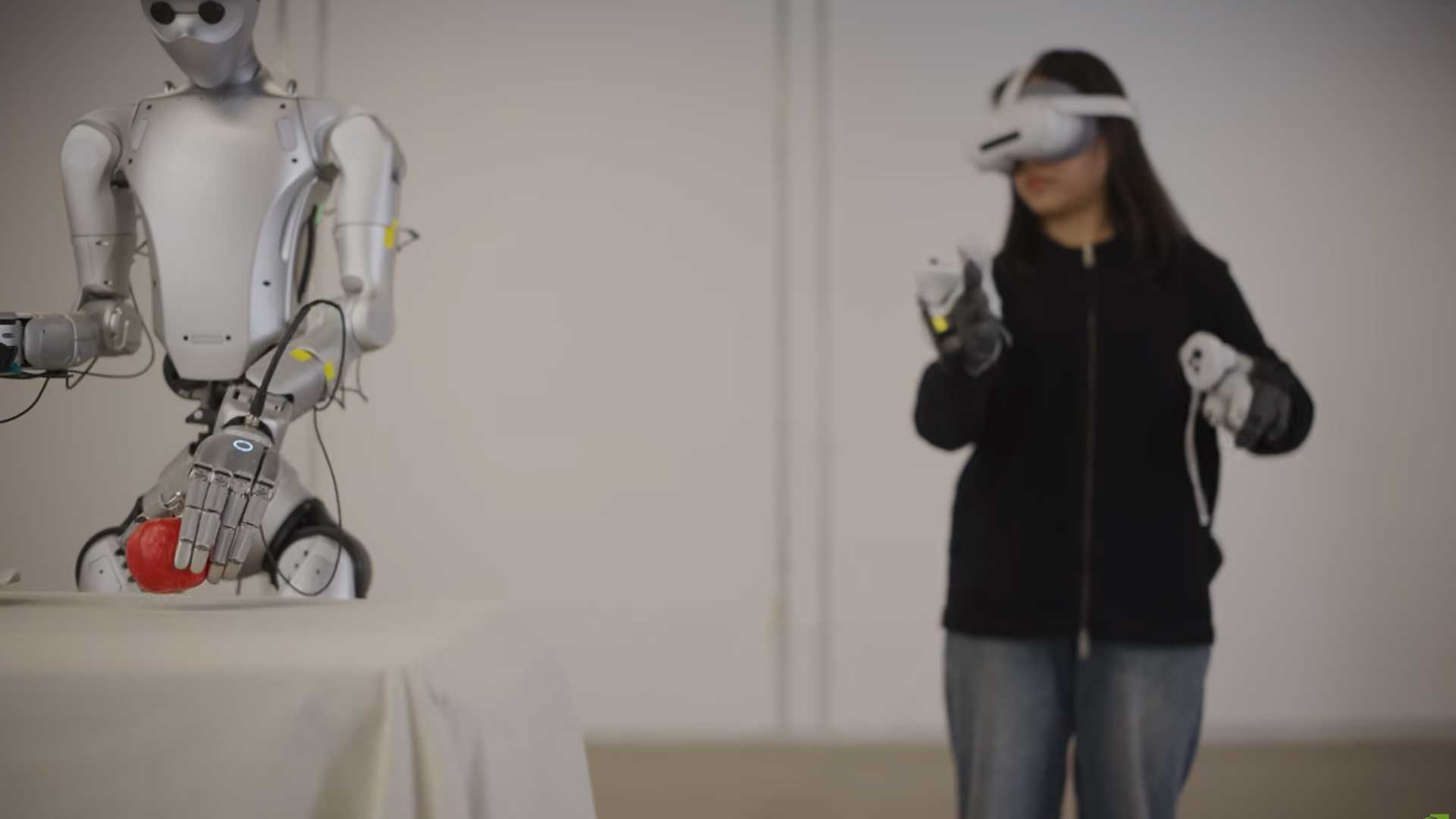
As NVIDIA advances dexterous robot intelligence, training data remain as consequential as model architecture. Effective robot data collection connects visual observations, human motion, and executable robot actions in a consistent training dataset.
For robotics teams, this means capturing usable demonstrations for robot imitation learning, integrating with different robotic hands, and measuring improvements in task performance and adaptation.
NVIDIA’s research documents how MANUS hand tracking gloves contribute to these workflows across Vision-Language-Action models (VLAs) and World Action Models (WAMs).
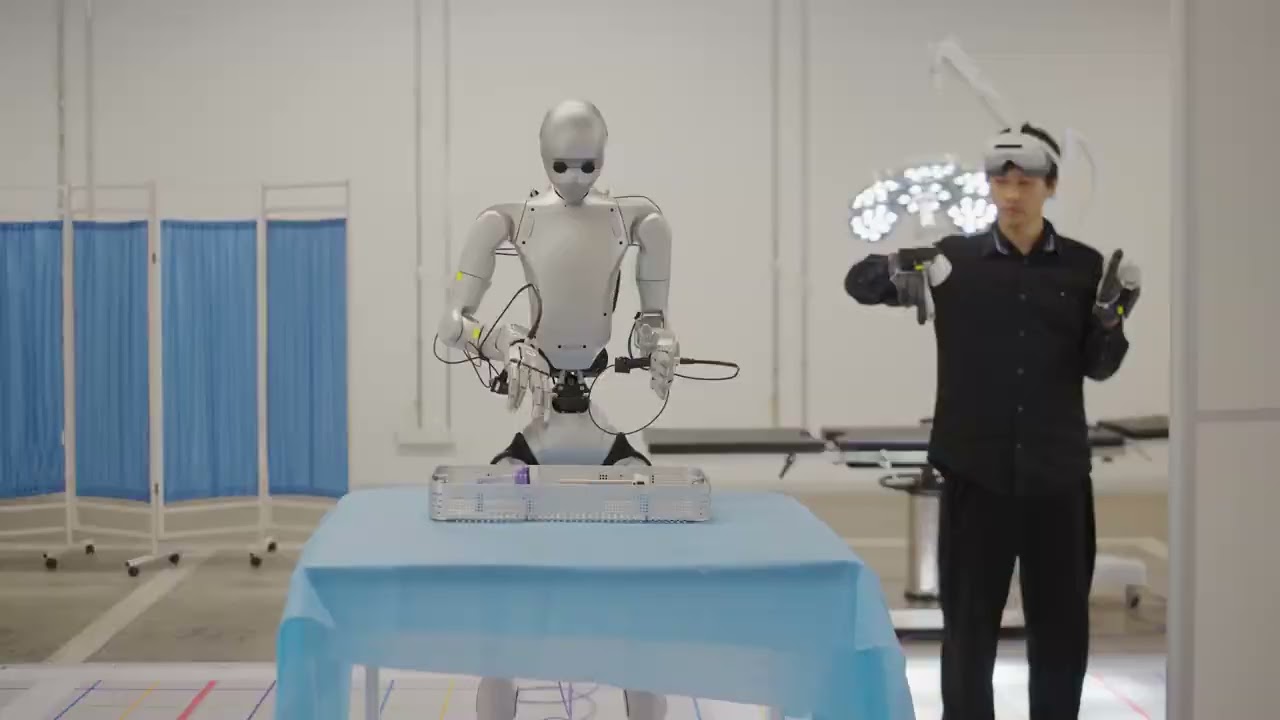
Vision-language-action models translate visual observations and instructions into actions. For dexterous manipulation, training demonstrations must represent coordinated finger articulation and wrist motion.
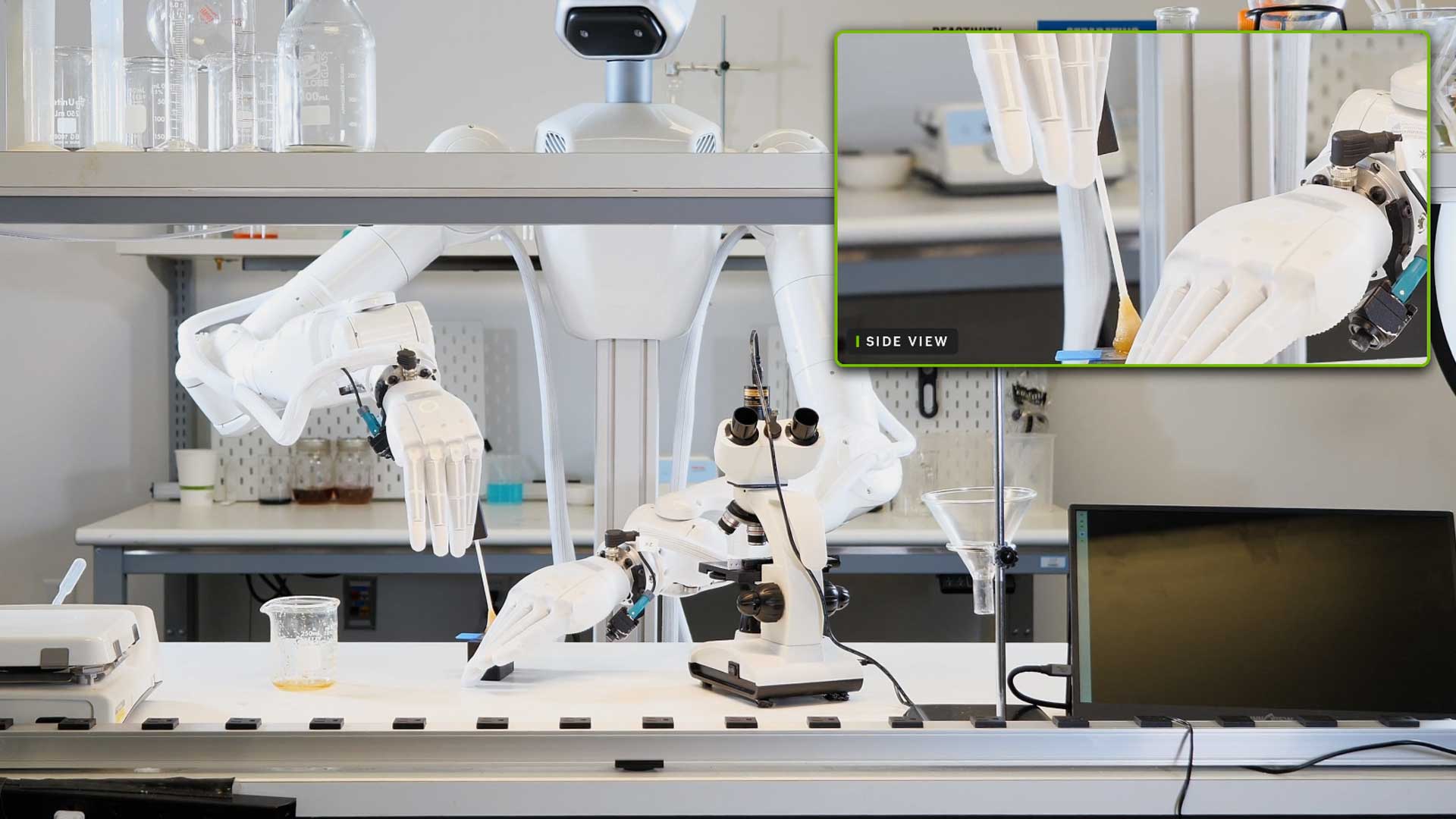
GR00T N1 documents a robot teleoperation pipeline using MANUS Metagloves for finger tracking and VIVE Ultimate Trackers for wrist poses. Human movements are retargeted into robot commands and recorded alongside visual observations.
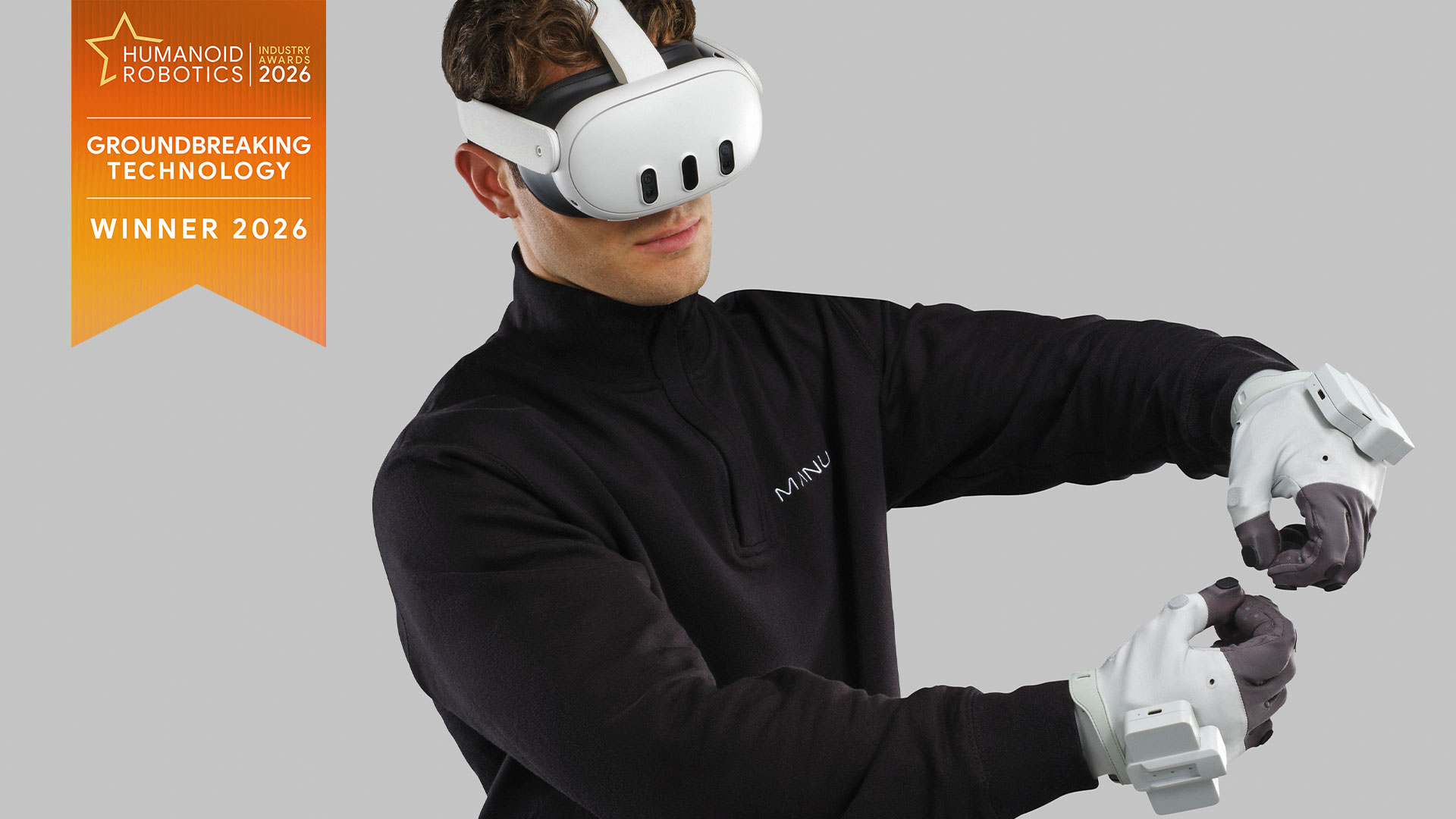
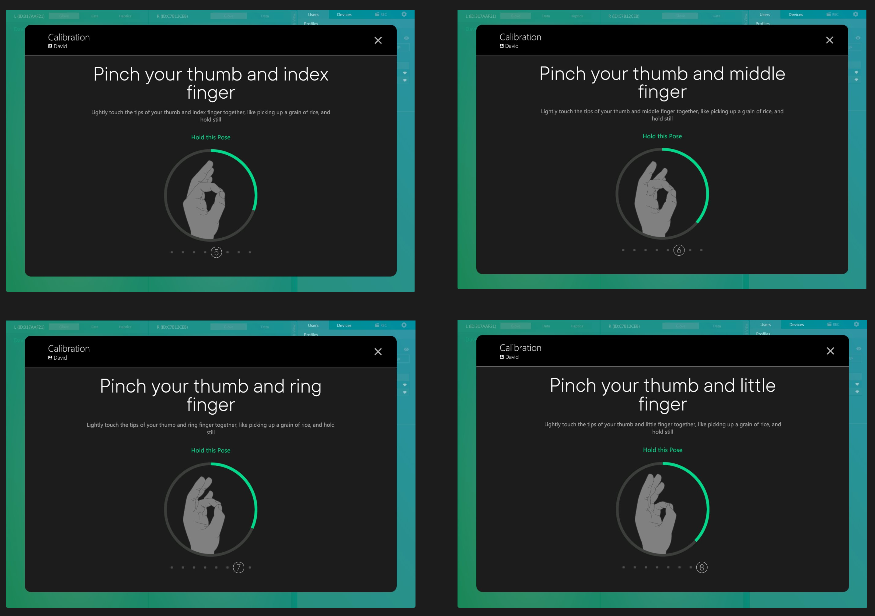
MANUS data gloves supply the hand-motion measurements. Calibration, motion retargeting, and synchronized recording transform those measurements into robot training data.
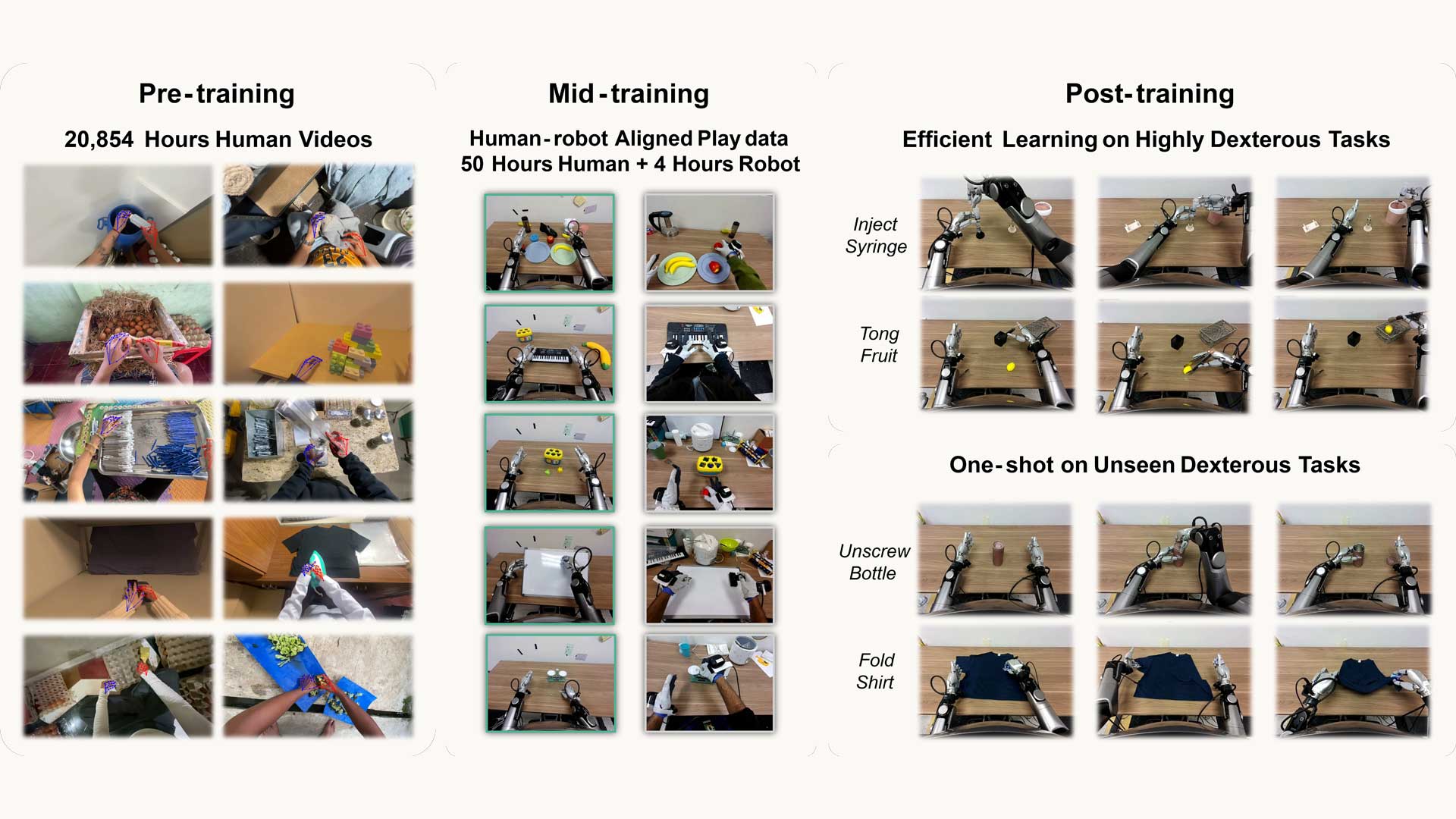
EgoScale combines large-scale human-video pretraining with a smaller dataset designed for precise human–robot alignment.
Its VLA is pretrained on more than 20,854 hours of egocentric video. The subsequent alignment stage uses MANUS gloves within a dataset comprising approximately 50 hours of human data and four hours of robot data. Hand-motion measurements, wrist tracking, and matched camera viewpoints establish correspondence between human demonstrations and robot sensing and control.
At this stage, MANUS contributes precise hand-motion data that help translate large-scale human motion priors into executable robot actions. For robotics data collection, this illustrates how targeted motion capture can connect broad human experience to a specific robot embodiment.
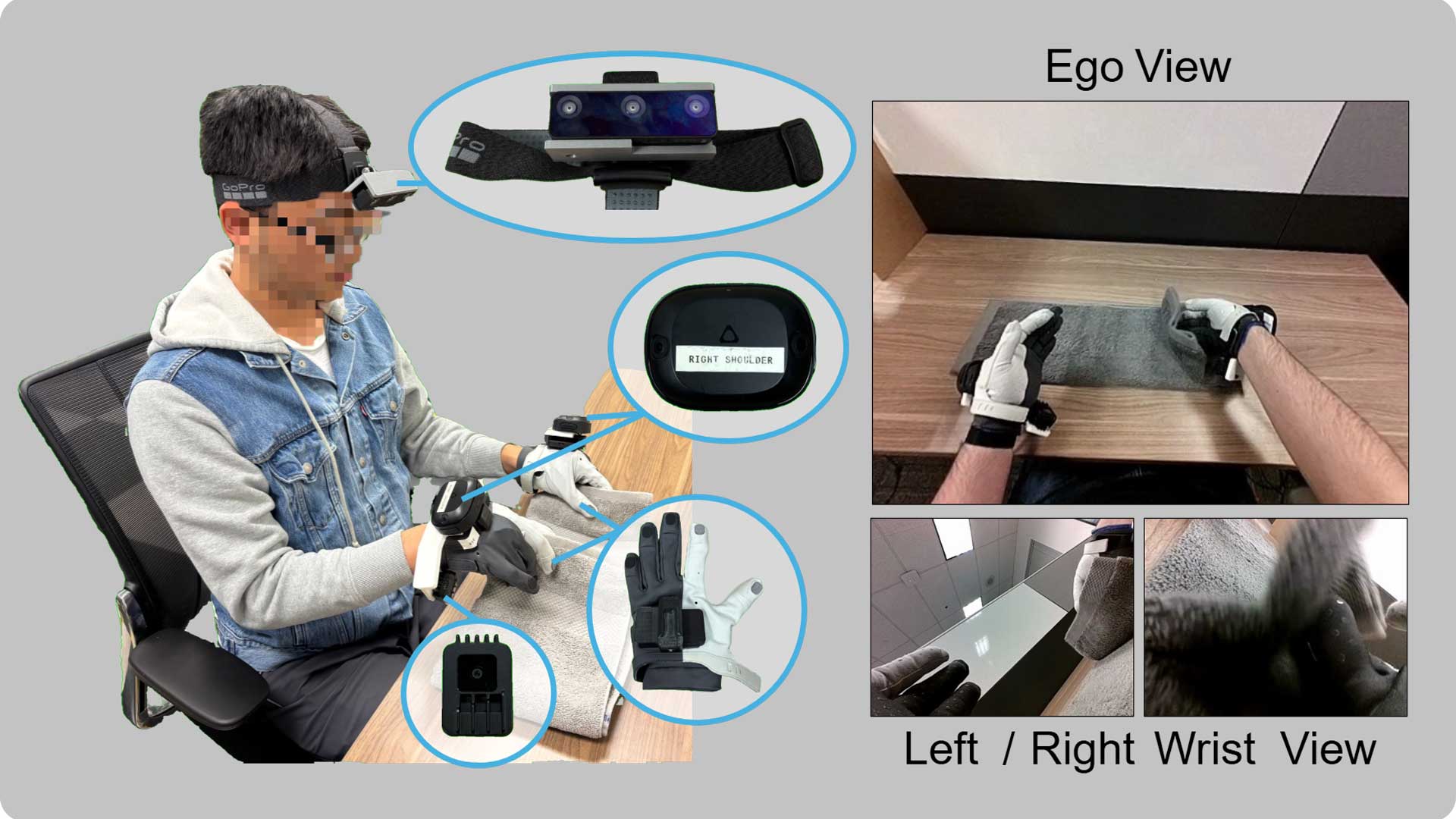
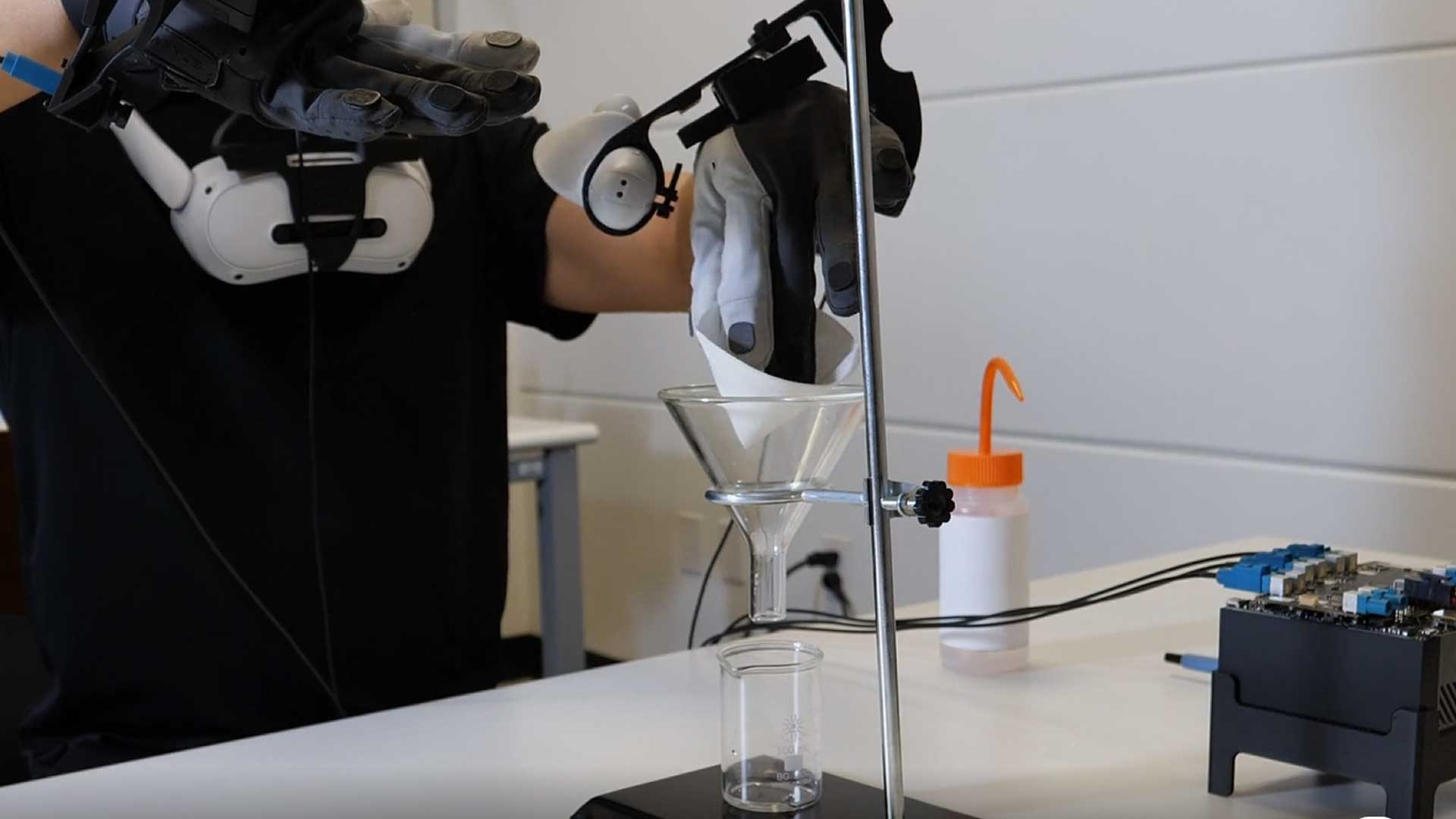
World Action Models jointly predict future video and robot actions. GR00T 2 demonstrate show MANUS-captured human motion supports this joint learning process.
Demonstrators perform tasks wearing MANUS gloves, PICO wrist trackers, and head and wrist cameras. Their trajectories are retargeted offline into robot actions, allowing task demonstrations to be captured without a robot executing them in parallel.
Video sequences supervise future-frame prediction, while human-derived and robot actions train a shared action head. Task-specific human demonstrations are combined with task-agnostic robot play data, grounding the model in the target robot’s appearance and motion.
This approach enables learning without task-specific robot teleoperation demonstrations, while retaining robot experience as part of training.
The distinction lies in the training objective. In the VLA examples, MANUS supports action supervision and embodiment alignment. In GR00T2, captured motion participates alongside video in learning both future visual outcomes and corresponding robot actions.
For teams developing a robot data collection workflow, the capture pipeline must align with the robot’s kinematics and the model’s training objectives. Four evaluation areas help determine whether the workflow delivers usable data and supports effective learning.
MANUS supports hand-motion capture and human–robot alignment within these research pipelines. Accurate hand tracking and robot-specific motion mapping help turn captured motion into usable robot training data.
Contact MANUS to discuss a robot data collection workflow tailored to your robotic hand, sensing configuration, and training objectives.