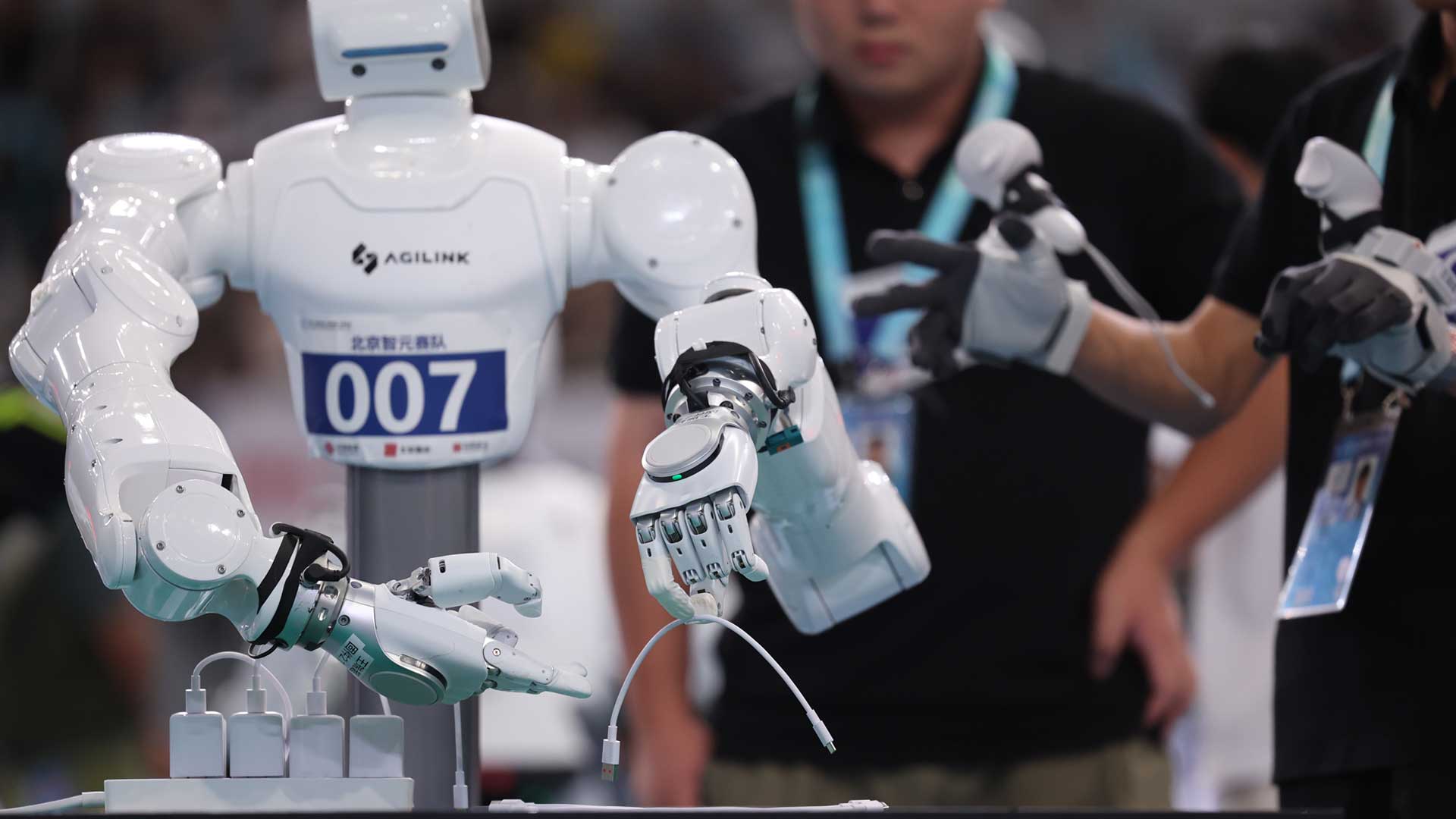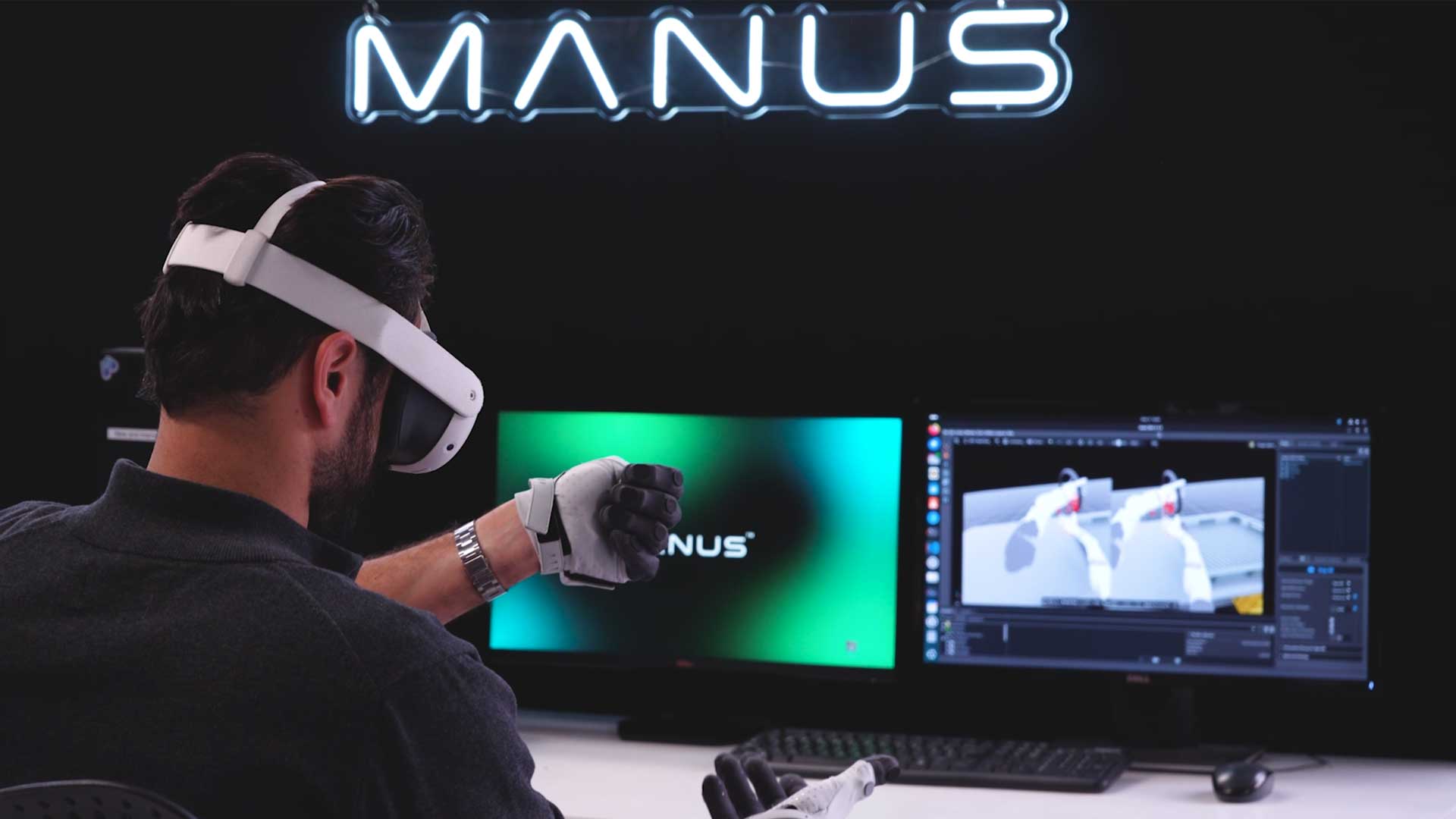

MANUS gloves have been officially integrated into NVIDIA's Isaac Lab 2.3 as a native teleoperation device, enabling researchers and robotics teams to use MANUS gloves to teleoperate simulated robots inside NVIDIA's Isaac Lab environment, capturing high-fidelity demonstration data for robot policy training at scale.
A sim-first approach to robot policy training streamlines development, reduces cost, and enables safer, more scalable deployment. But the approach is only as good as the data behind it. With Isaac Lab 2.3, NVIDIA has expanded teleoperation support to include MANUS gloves, making it easier to capture comprehensive, high-fidelity demonstration datasets directly inside simulation.
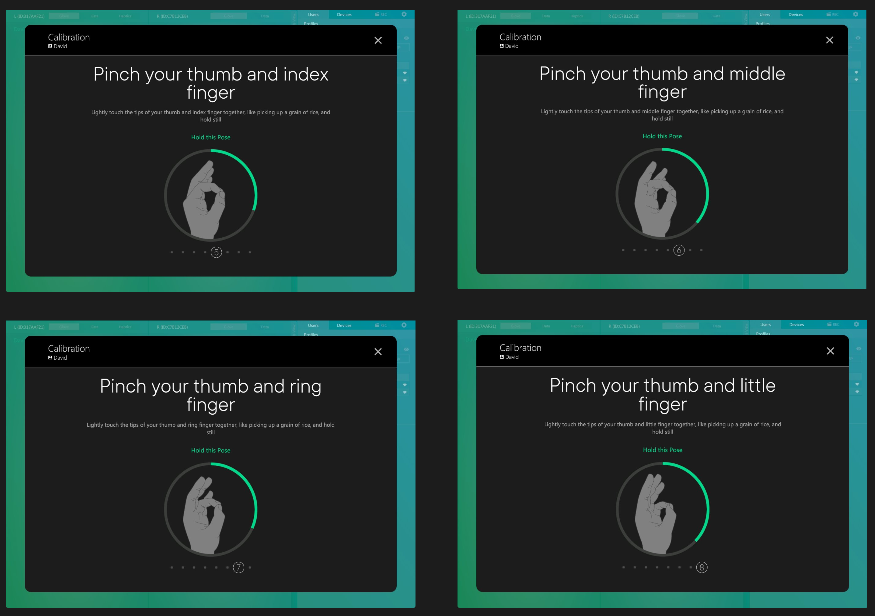
The MANUS glove data is streamed directly into Isaac Lab, which maps human hand configurations to robot hand joint positions in real time, enabling natural skill transfer from human to machine. For dexterous manipulation tasks, this places strict demands on the input device: tracking must be continuous, precise, and stable across the full duration of an operation session.
MANUS gloves are designed to meet these requirements:
The MANUS x NVIDIA Isaac Lab integration supports the full dexterous teleoperation and data collection pipeline within Isaac Lab's workflow. Operators can record demonstrations for manipulation tasks, feed those demonstrations into Isaac Lab Mimic for augmentation and scaling, and use the resulting datasets to train policies via imitation learning, all within simulation, before any real-world deployment.
This positions MANUS gloves as a practical instrument at the foundation of the embodied AI development stack: a data quality guarantee for the demonstrations that policy training depends on.