A research team studying Parkinson’s disease developed a new approach for analyzing hand bradykinesia, one of the most recognizable motor symptoms affecting people with Parkinson’s.
Their goal was to move beyond subjective scoring systems and create a reliable way to measure the quality, speed, and symmetry of hand movement using digital motion data. To do this, they integrated MANUS technology with advanced mathematical models to describe movement in a more precise and interpretable way.
Traditional assessments for Parkinson’s disease rely heavily on clinicians visually rating movement tasks such as finger tapping, hand gripping, and pronation supination. These ratings provide important context but lack the detail needed for early detection, long-term tracking, or remote evaluation. The research team needed a tool that could capture the complexity of hand movements and reveal patterns that are too subtle to be detected by human observation. They also needed a way to quantify asymmetry between hands, since differences in right and left hand performance are a key diagnostic indicator.
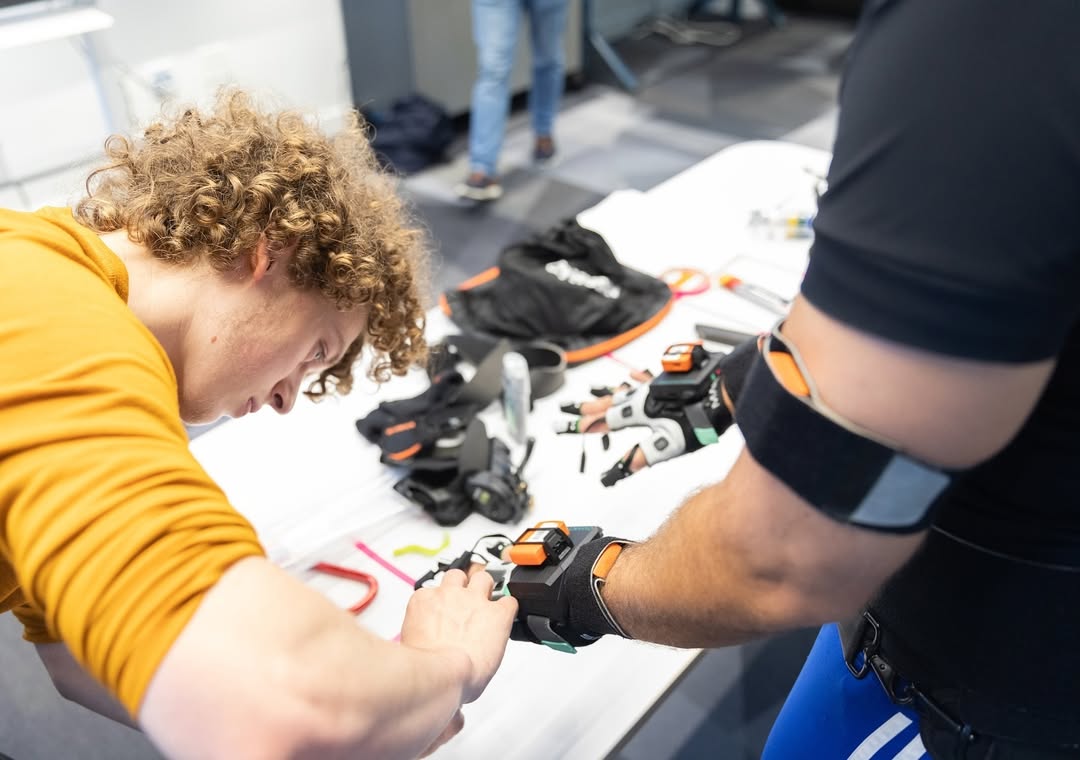
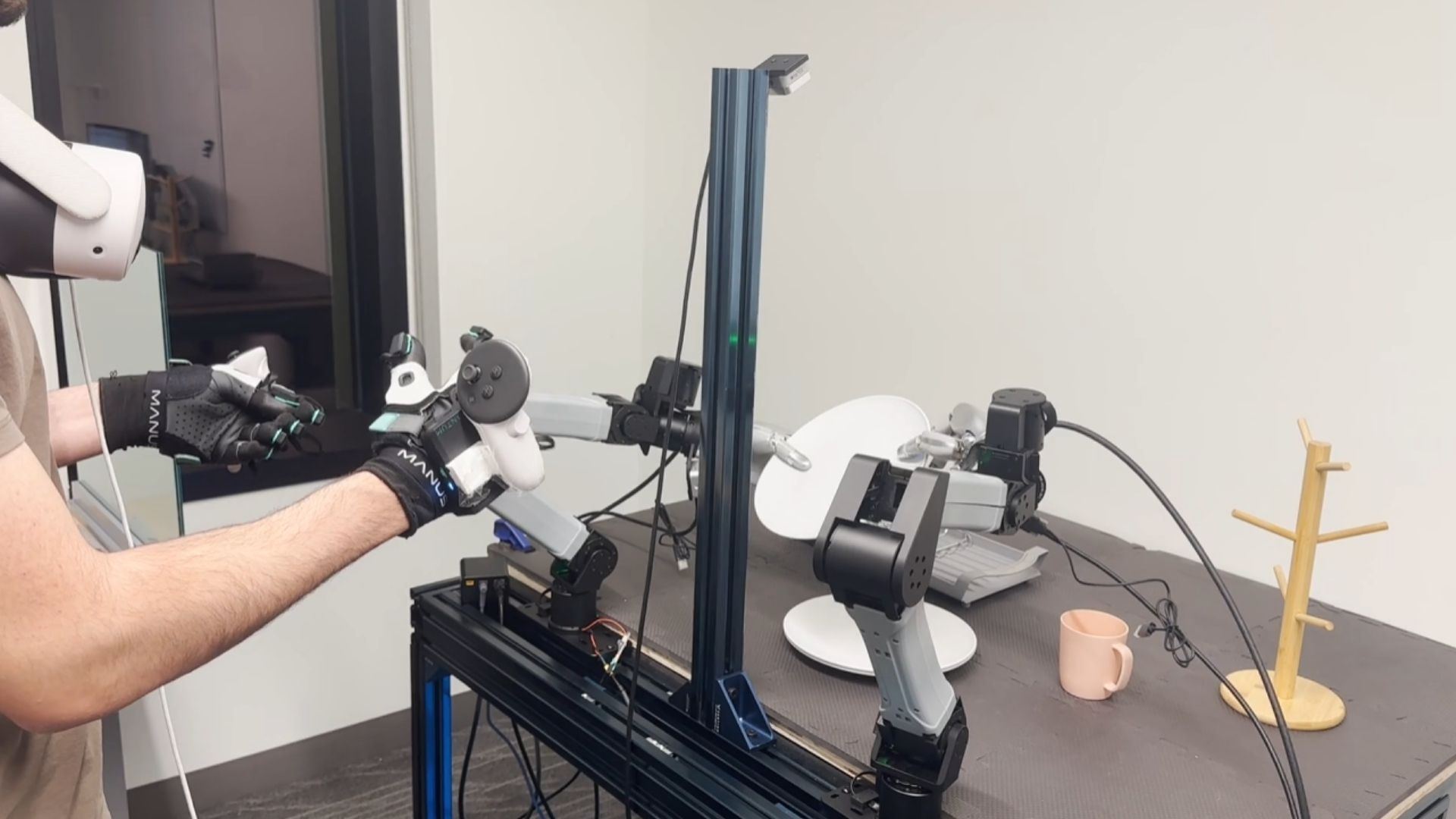
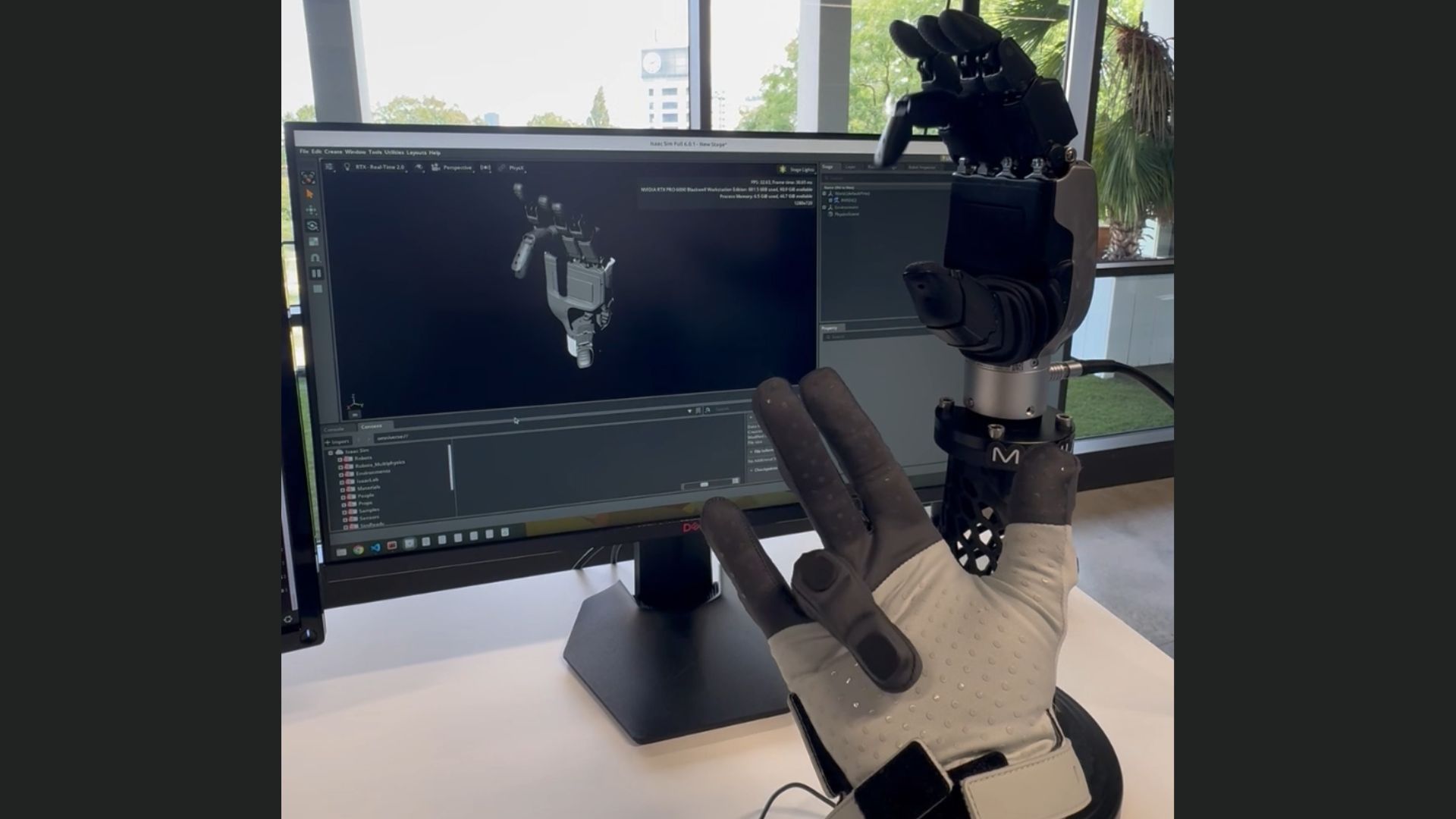
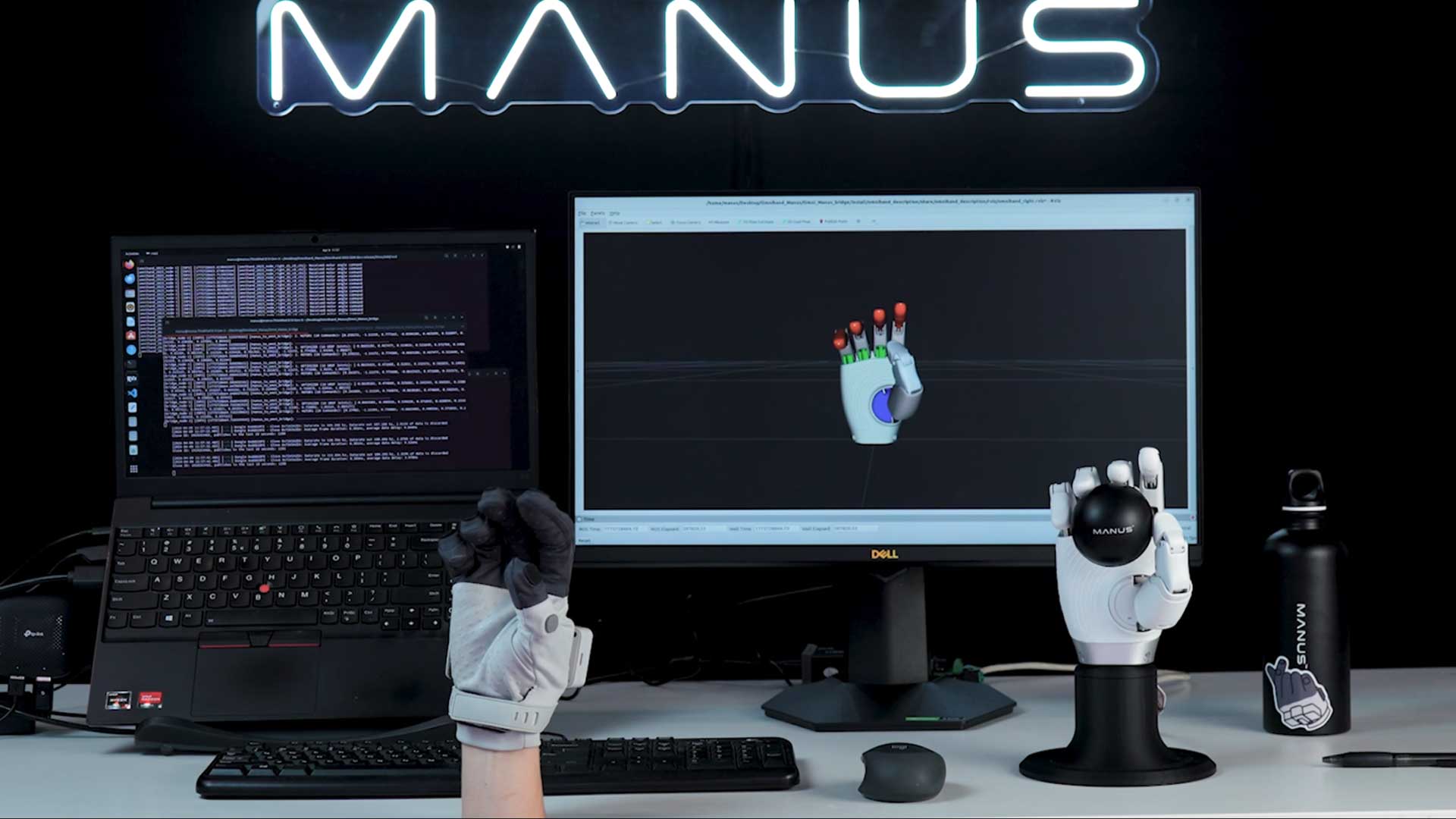
To achieve the level of precision required for this study, the team used the MANUS Quantum Metagloves to record hand and finger motion in detail. The gloves provided high-fidelity tracking during standardized motor tasks, allowing the researchers to capture the full trajectories of finger and wrist movements. This dataset served as the foundation for both traditional kinematic analysis and for a new geometric algebra approach developed by the research team. The gloves produced consistent measurements across all participants, which included both healthy controls and individuals diagnosed with Parkinson’s disease, enabling direct comparison across groups.
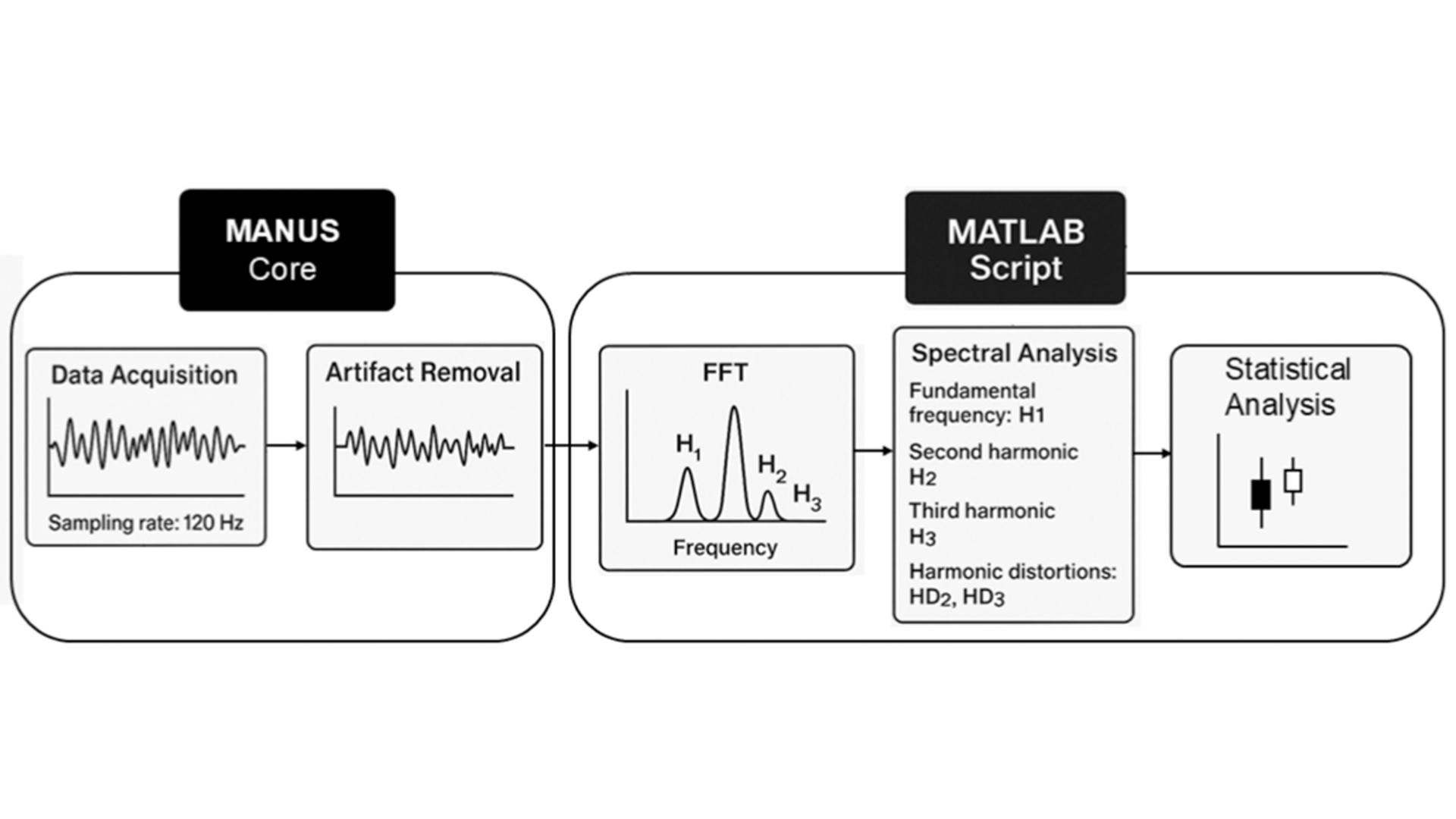
Once the motion data was collected, the team used two parallel paths for analysis. The first involved conventional features such as timing, velocity, and amplitude. The second used a geometric algebra model that encoded the shape and structure of each movement trajectory as a multi-vector. This geometric representation provided a clearer view of asymmetry between hands and offered interpretable descriptors of movement quality that traditional methods often miss. By combining both forms of analysis, the researchers trained machine learning classifiers capable of distinguishing Parkinson’s patients from healthy participants with improved accuracy and lower computational cost.
The study demonstrated that pairing high-quality motion capture with geometric analysis can significantly improve the detection of Parkinson’s-related movement changes. The Quantum Metagloves supported this work by delivering precise, stable, and rich motion data suitable for clinical research. The findings highlight the potential of wearable motion capture to support telemedicine, early diagnosis, and long-term monitoring of neurological conditions through objective digital biomarkers.